

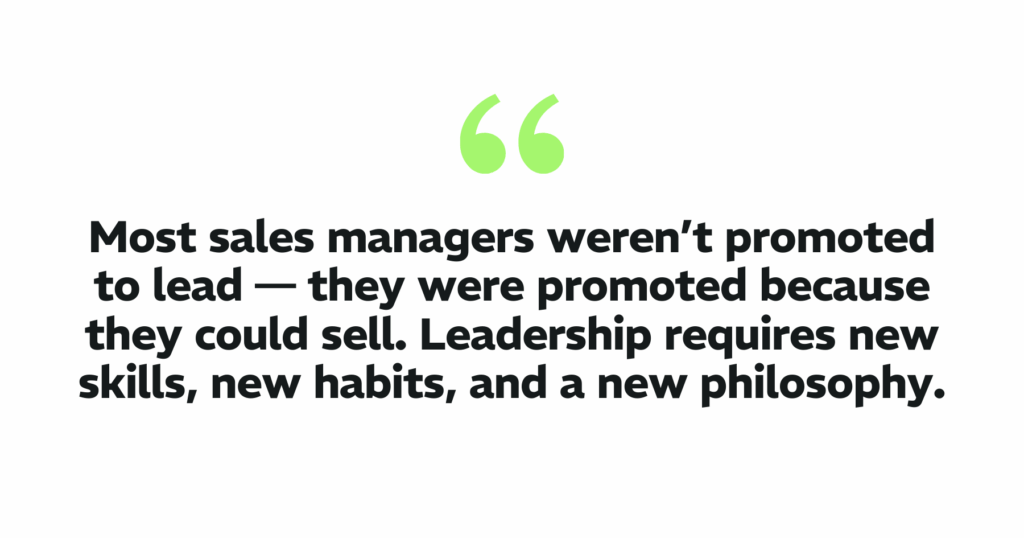
All too often, we promote our best sellers into management and hope the rest works itself out. We assume sales manager skills will simply develop on their own, that the same instincts that close deals will naturally translate to leading people, but they often don’t.
That’s because selling and managing are two very different jobs. One is about hitting your number. The other is about helping everyone else meet theirs.
We know what it looks like when we get this wrong: Managers feel overwhelmed, sales reps feel underdeveloped, and performance becomes streaky and dependent on heroics instead of a healthy, sustainable system. You feel it in stalled deals, inconsistent execution, and rising burnout. It’s the opposite of effective sales management.
If you’re serious about building successful sales management and upgrading your organization’s core sales leadership skills, you can’t leave the role to chance. The best sales managers I’ve met don’t win because they push harder. They win because they develop the skills they need to lead themselves, their teams, and the marketplace.
Self Leadership: What Your Managers Need to Master First
If you’re responsible for building a high-impact sales organization, this is where your sales management skills framework should start. Before managers can lead anyone else, they have to demonstrate credible self-leadership.
Practice Emotional Intelligence
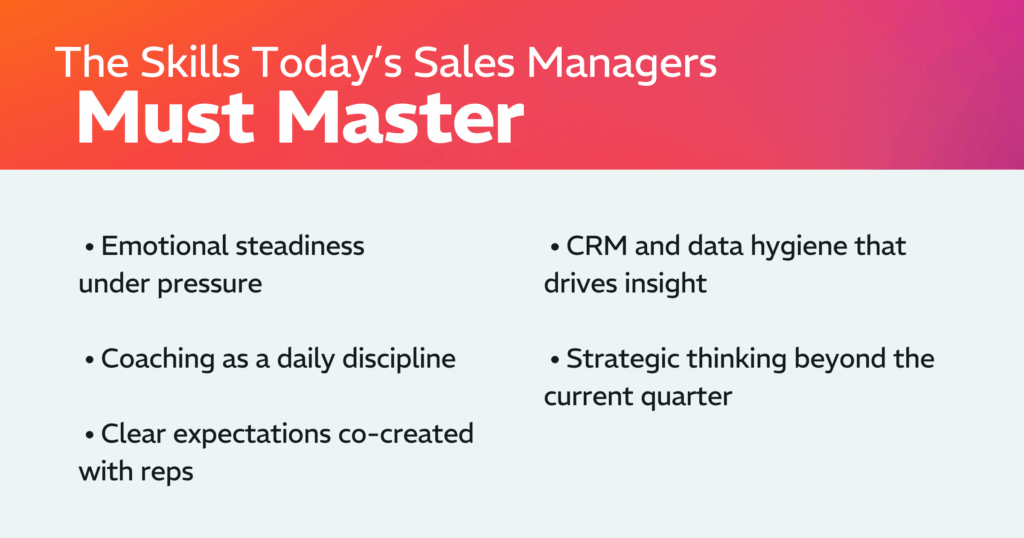
Front-line managers sit in the pressure zone between strategy and execution. They need the emotional intelligence to recognize their own triggers, manage stress, and stay composed when deals, forecasts, or priorities change. In practice, that looks like leaders who regulate their reactions, stay curious under pressure, and bring steady energy into the room instead of amplifying anxiety. When managers lead themselves that way, they make it easier for everyone else to perform at their best.
Lead With Integrity and Authenticity
Managers are culture carriers. Their behavior becomes the standard. You want leaders whose words and actions match, the ones who don’t skip sales coaching sessions after saying development matters, or dodge accountability when they miss targets. When you promote or hire managers, you’re scaling their habits. Integrity and authenticity determine whether that scale works for or against you.
Master Time Management and Prioritization
Most sales managers drown in “urgent” work. The ones who create leverage for the business are ruthless about where their time goes: coaching, sales strategy, and their own growth. As a senior sales leader, this is a design problem as much as a skills problem. Are we giving managers the freedom to spend meaningful time on those priorities, or burying them in reporting and admin? The answer shows up quickly in team performance.
Define Your Vision and Leadership Philosophy
You aren’t just filling a role; you’re building a bench of leaders with a point of view. Strong managers can clearly articulate how they believe teams should operate, how sellers should be developed, and what success looks like beyond quota. If your managers can’t explain their leadership philosophy in a few sentences, it’s a signal they’re still operating as senior reps with a different title instead of true sales leaders.
Build Reflective Practice and Self-Awareness
The managers who grow fastest are the ones who regularly step back to examine their own impact. They ask for feedback. They’re honest about blind spots.
You can reinforce this by building reflection into your operating rhythm with end-of-quarter debriefs, manager roundtables, and simple prompts that move the conversation from “What happened?” to “What did we learn and what will we do differently?” Over time, that kind of disciplined reflection becomes a competitive advantage.
Design Rituals and Routines That Model Discipline
Whatever your managers do consistently, their teams will eventually copy. Daily pipeline reviews, weekly “lessons learned” and structured prep for key meetings are the rituals that quietly define what “good” looks like on your sales floor. When you invest in self-leadership as a core sales management skill, you’re really investing in the habits and routines that will cascade through every rep and every sales process.
Team Leadership: Build a Culture of Trust, Growth, and Shared Ownership
Once self-leadership is in place, the next set of skills for sales managers is about how they lead the people around them.
Listen Actively and With Intention
We’ve all seen managers who listen just long enough to respond. You want the opposite. Active listening means full attention, clarifying questions, and resisting the urge to jump straight to advice. When managers do this well, sales reps are more candid about risk, more open about where they’re stuck, and more willing to bring you the truth instead of a polished story.
Communicate to Motivate and Inspire
Motivation isn’t about hype; it’s about connection. The best managers connect daily activity to something bigger: the team’s mission, the customer’s outcomes, the company’s strategy. They tell stories, celebrate progress, and remind people why the work matters when the grind gets hard.
If you’re looking for how to motivate your sales team, start by looking at how your managers communicate meaning, not just metrics. That’s what keeps sales professionals engaged when things get difficult.
Coach and Develop Talent Consistently
If you had to pick one sales management skill to prioritize, it’s sales coaching. Effective sales coaching is what separates high-performing teams from everyone else. The managers you want on your bench:
- Run structured 1:1s that go beyond numbers
- Use effective sales training and call reviews to build specific skills
- Give clear, behavior-based feedback
- Balance stretch goals with realistic next steps
As a senior leader, your job is to make coaching non-negotiable and repeatable. That means setting expectations, protecting time, and measuring managers on development, not just closing deals. This is where sales training and enablement investments either pay off or disappear into the calendar.
Create Psychological Safety
High-performing sales teams don’t eliminate risk; they make it safe to take smart risks. Psychological safety shows up in small moments: how managers respond when a deal is lost, how they treat a bad quarter, whether it’s okay to say “I don’t know.” When managers respond with curiosity instead of blame, reps bring issues forward earlier. That speeds up learning and keeps more opportunities alive.
Deliver Feedback and Recognition That Matter
You don’t need a complex recognition program. The basics still matter: timely, specific feedback; recognition that highlights the behaviors you want to scale; and a balance of accountability and appreciation. When managers do this well, people know where they stand and feel seen for the right things, not just the final number.
Co-Create Clear Expectations
The best managers don’t just tell reps what to do; they build the plan with them. Co-creating expectations around sales targets, territory plans and development goals doesn’t mean lowering the bar. It means giving people a voice in how they’re going to reach it. That shared ownership drives better commitment and more honest conversations when things go off track.
Hire and Map Talent Strategically
Your managers are on the front line of your talent strategy. They’re the ones assessing coachability, resilience and values alignment in interviews. They’re also the ones who know who’s ready for more, who’s stuck, and where the next gap is likely to appear. When you equip managers to hire well and maintain a clear talent map, you reduce surprise, improve succession, and keep your most skilled sales talent moving forward instead of moving on.
When you pull these team leadership skills together, you get sales managers who don’t just run a team. They build a culture people want to stay in and grow with.
Market Leadership: Connect Execution to Strategy and Customer Impact
The final category of sales manager skills is market leadership, which reflects how your managers connect daily execution to the broader business and the customer. This is where strategy and culture meet performance and successful sales management becomes visible in business results.
Set Clear Goals and Align the Team
Every seller should be able to answer three questions:
- What am I responsible for?
- How will we measure progress?
- How does this connect to our strategy and our customers?
Your managers translate those answers into clear goals and operating norms. When they do it well, reps understand not just what they’re doing, but why it matters. That clarity is a core part of how to manage a sales team, especially in fast-changing markets. It’s also how you make sure sales targets are meaningful, not arbitrary.
Plan and Forecast Sales Reliably
Sales forecasting should be more than making spreadsheets; it’s a trust-building exercise across the business. Strong managers build disciplined pipelines, pressure-test assumptions in deal reviews, and insist on honest stages and close dates. In return, the organization can plan confidently around their number. When forecasting is sloppy, everyone pays the price: finance, operations, and the frontline.
Run High-Impact Deal and Pipeline Reviews
Deal and pipeline reviews should create value, not just consume time. The best managers focus on quality, not just quantity. They ask questions like:
- What problem are we really solving for this customer?
- Who else needs to be involved on their side and ours?
- What would need to be true for this deal to move this week?
When deal reviews consistently improve strategy, qualification, and next steps, they become one of your best levers for increasing win rates and team performance.
Leverage AI for Actionable Insights
AI has changed what strong sales management skills look like. Modern tools can log activities, analyze conversations, surface buying signals, and highlight risk in real time. The job of the manager is no longer to build every report from scratch; it’s to orchestrate the tools and turn insight into action.
That means:
- Choosing the right AI and CRM workflows
- Embedding them into daily and weekly rhythms
- Coaching reps on how to use insights to run better meetings and deals
When managers embrace AI as a partner instead of a threat, they free up more time for the distinctly human work of leadership: judgment, coaching, change management, and sales strategy.
CRM Hygiene and Process Discipline
If the data is bad, the decisions will be too. Effective managers treat CRM hygiene and sales process discipline as non-negotiable. They use clear definitions for stages and fields, hold the line on data quality, and explain why it matters for sales forecasting, territory planning, and resource allocation. Clean data is an asset; your managers decide how valuable it becomes.
Data-Driven Decision-Making
Strong managers track a balanced view of activity, pipeline, and outcome metrics, then use those numbers as a starting point for coaching conversations. The goal isn’t to police activity; it’s to diagnose patterns and improve performance. This is what effective sales management looks like in practice.
Strategic Thinking
Finally, you want managers who can zoom out. They see trends in customer behavior, competitive moves, and team performance, and they use those insights to inform strategy, not just this quarter’s tactics. They know which customers are most likely to grow, where the team is overextended, and what changes will have the biggest impact.
When market leadership skills are in place, your managers stop operating as glorified schedulers and become true extensions of your go-to-market strategy.
How to Develop Human-Centered Sales Managers
Knowing which sales manager skills matter is one thing. Building them into your organization is another. Real development requires intention, investment, and a willingness to change how leadership happens at every level.
Set the Tone Through Consistent Leadership
Your managers are watching you the same way their reps are watching them. If you don’t prioritize development, they won’t either. If you skip coaching conversations, they’ll follow suit.
Model the behaviors you want to see across the organization. Make coaching visible in how you run your own staff meetings, how you respond to missed numbers, and how you invest in your own growth. When senior sales leaders treat development as part of the job, managers are far more likely to do the same.
Co-Create the Culture You Want to Scale
Culture is built through daily decisions: what you reward, what you tolerate, how you respond when values are tested under pressure.
The best cultures aren’t handed down; they’re co-created. Involve your managers in defining the culture you’re building. Ask them which behaviors matter most and where the biggest gaps are today. Invite them into decisions about how those values show up in hiring, performance conversations, and recognition. When managers feel ownership over culture, they will protect it.
Prioritize Coaching as a Daily Discipline
If coaching is buried under reporting, it will always lose. Treat coaching as a core part of the manager role, not something “extra” for high performers.
That looks like:
- Clear expectations for weekly 1:1s and deal coaching
- Time blocked on calendars and defended from competing priorities
- Simple frameworks and tools that make great coaching easier to deliver
You can amplify this by giving managers access to call recordings, conversational insights, and effective sales training they can repurpose with their teams. Coaching is where your investment in sales training and sales leadership skills becomes real in the day-to-day.
Reinforce Values in the Moments Between the Work
Leadership doesn’t just show up in QBRs and offsites. It shows up in Slack threads, quick hallway conversations, and the two minutes before a big customer meeting.
Teach your managers to use those moments intentionally: a quick note recognizing extra effort, a follow-up question after a tough call, a public shoutout that highlights a behavior you want to see more of. These micro-moments are how culture is actually experienced. Over time, they compound into trust, loyalty, and discretionary effort from your most skilled sales talent.
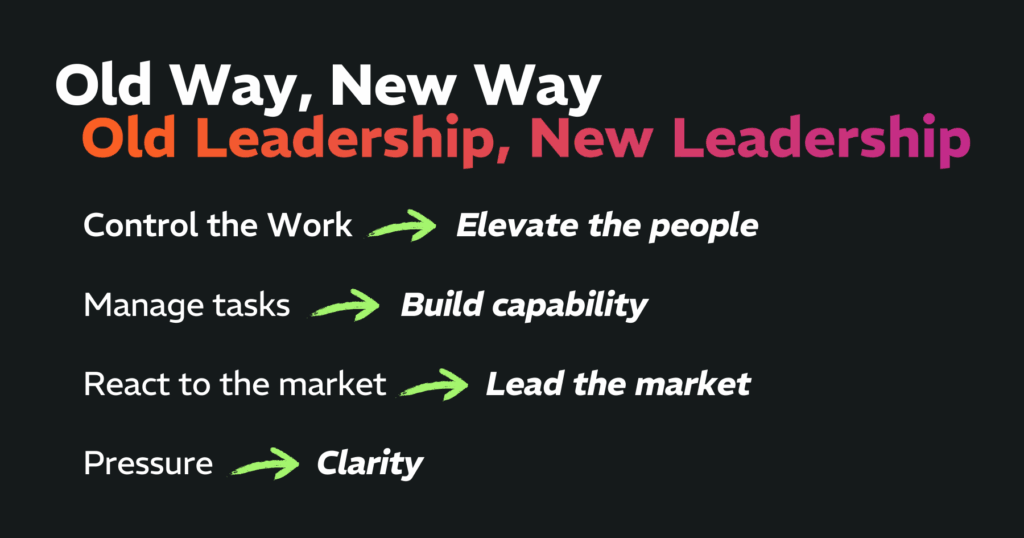
Create Clarity to Build Confidence and Momentum
Uncertainty kills performance. When managers don’t know what success looks like, they can’t create it for their teams. Give them clarity on:
- What they’re accountable for (beyond the number).
- How you’ll measure success.
- How their role connects to broader company strategy
Align Your Own Actions With Your Message
If you say people matter but never invest in manager development, your managers will believe what you do, not what you say. If you claim coaching is a priority but never ask to see evidence of it, they’ll understand it isn’t actually part of the job.
Alignment between your words and actions is everything. When senior leaders live the values they put on the wall, it gives everyone else inspiration to do the same. That alignment is often the difference between a short-lived initiative and a true shift in how your organization leads.
Invest in the Sales Managers Who Drive Your Growth
Your front-line sales managers set the tone for trust, culture, and execution. When they lead with clarity, consistency, and care, your people will thrive.
Download The Human-Centered Growth Playbook to access a practical model for leadership that scales. It’s built for growth-minded organizations ready to lead what’s next.



![[RYAN] Featured Image - Consultative Sales Approach](https://ryanestis.com/wp-content/uploads/bb-plugin/cache/RYAN-Featured-Image-Consultative-Sales-Approach-1024x538-panorama-42c09bf12887088a921116094d899f06-.png "[RYAN] Featured Image - Consultative Sales Approach")
![[RYAN] Featured Image - Sales Tactics](https://ryanestis.com/wp-content/uploads/bb-plugin/cache/RYAN-Featured-Image-Sales-Tactics-1024x538-panorama-81064ac25e005c4d692a589e275c338f-.png "[RYAN] Featured Image - Sales Tactics")